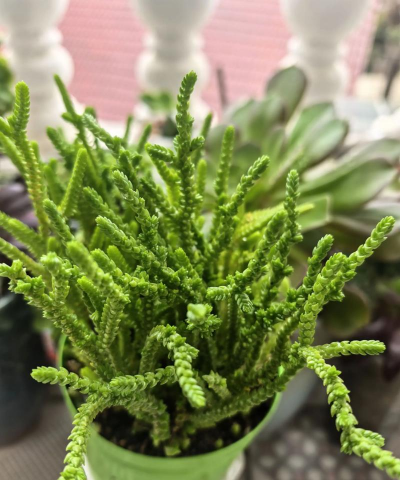
养花英语报告
English Report on Growing Flowers
1. Introduction to Flower Growing
Growing flowers is a rewarding activity that combines art and science. It requires understanding of plant biology, care routines, and environmental factors. Whether you're a beginner or an experienced gardener, proper care ensures healthy growth and vibrant blooms.
2. Key Factors in Flower Cultivation
- Sunlight: Most flowers require at least 6 hours of direct sunlight per day. Adjust the location based on the specific needs of the plant.
- Watering: Water regularly but avoid overwatering. The soil should be well-draining to prevent root rot.
- Fertilization: Use balanced fertilizers according to the plant's needs. Apply them every 2-4 weeks during the growing season.
- Pruning: Remove dead or yellowing leaves to promote new growth and prevent disease.
- Pest Control: Monitor for pests and use organic or chemical methods as needed.
3. Common Flower Types and Their Care
- Tulips: Require well-drained soil and full sun. Water when the top inch of soil is dry.
- Marigolds: Thrive in sunny areas and repel pests. They need regular watering and fertile soil.
- Orchids: Require specific humidity and temperature conditions. They need careful attention to light and moisture.
- Hydrangeas: Prefer partial shade and moist soil. Fertilize with a high-phosphorus fertilizer during blooming season.
4. Troubleshooting Common Flower Issues
- Yellowing Leaves: May be due to overwatering, underwatering, or nutrient deficiency. Check soil moisture and adjust watering.
- Blossom Rot: A fungal disease that affects flowers. Prevent by ensuring good air circulation and avoiding overwatering.
- Petal Drop: Can occur due to stress from temperature changes or insufficient light. Provide stable conditions and adequate light.
5. Tips for Successful Flower Growing
- Start with Healthy Seeds or Cuttings: Choose strong, healthy plants for better results.
- Use Quality Soil: Opt for well-draining, nutrient-rich soil.
- Monitor Weather Conditions: Adjust care routines based on seasonal changes and weather forecasts.
- Keep Records: Track growth and care to improve future planting.
6. Conclusion
Growing flowers is a fulfilling endeavor that requires patience, care, and knowledge. By understanding the needs of different plants and maintaining a consistent care routine, you can enjoy a thriving garden full of beautiful blooms.
Note: This report provides general guidance and may vary depending on the specific type of flower and growing conditions. Always consult local gardening resources for region-specific advice.

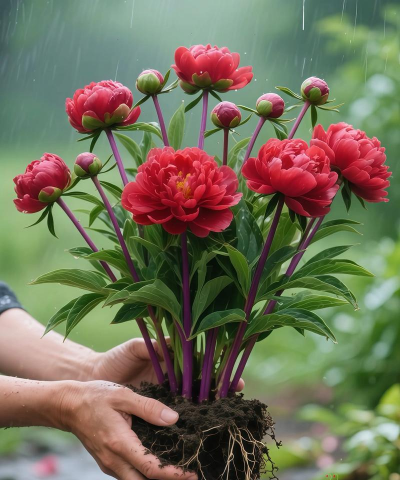
盆栽芍药花施什么样肥
盆栽芍药花一般需要施用富含磷、钾的肥料,以促进花芽的形成和花朵的开放。以下是常见的施肥建议:适用时间:种植前或春季开始时。肥料选择:有机肥(如腐熟堆肥、厩肥、饼肥)或无机肥(如磷钾复合肥)。用量:根据土壤肥力和植株大小适量施入,一般每株约5
· 2025-11-12
仙人球寓意是什么意思
仙人球(Cacti)在文化与象征意义上具有丰富的内涵,其寓意主要体现在以下几个方面:仙人球生长在干旱、贫瘠的环境中,依然能够顽强生存,象征着坚韧不拔、不屈不挠的精神。它代表了在逆境中依然能够坚持、成长的生命力。仙人球通常生长在无人照料的环境
· 2025-11-12
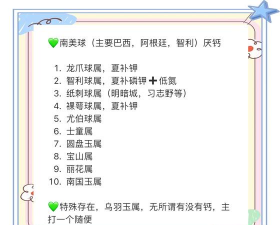
长寿花枝条太软怎么办
长寿花枝条太软可能是由于枝条未经过适当修剪或未进行适当的养护导致的。以下是解决方法:修剪软枝:将软枝剪掉,保留健康的枝条。软枝通常生长不良,剪掉后可以促进新枝生长。剪口处理:修剪后,用合适的工具修剪,避免伤口感染。增加光照:长寿花喜欢阳光,
· 2025-11-12
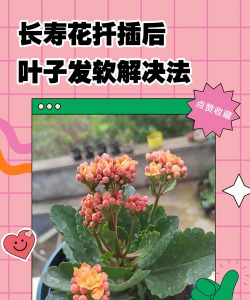
虹吸效应养花
虹吸效应养花是指通过将花盆底部的排水孔用细绳或塑料管连接到一个容器中,使根部周围的水分能够被强制排出,从而保持土壤中的水分平衡,避免积水导致根部腐烂。这种方法在养花时非常常见,尤其适用于多肉、多肉植物、兰花等对排水要求较高的植物。准备虹吸壶
· 2025-11-12
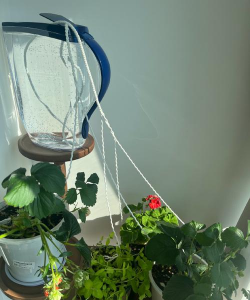
花长不茂盛怎么弄
花长不茂盛可能是由多种因素导致的,比如光照不足、水分管理不当、土壤贫瘠、养分不足、病虫害等。以下是一些常见问题及解决方法:问题:花盆位置太阴暗,影响开花。解决方法:将花盆移到阳光充足的地方,每天至少6小时以上的直射阳光。其他选择:如果无法接
· 2025-11-12
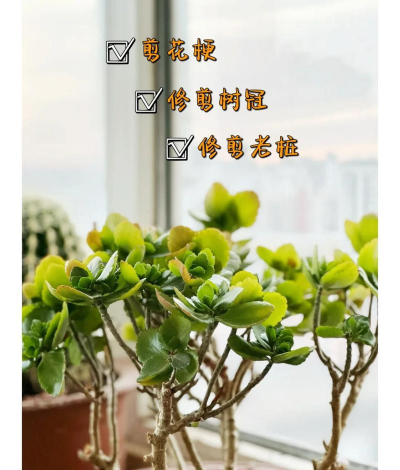
我喜爱养花
养花是一项既有趣又富有成就感的活动,下面是一些关于养花的基本知识和技巧,帮助你更好地照顾你的植物:根据你的环境和喜好选择适合的植物是养花的第一步。例如:室内植物:适合养绿萝、吊兰、仙人掌、芦荟等,这些植物对光照和水分要求相对较低。室外植物:
· 2025-11-12
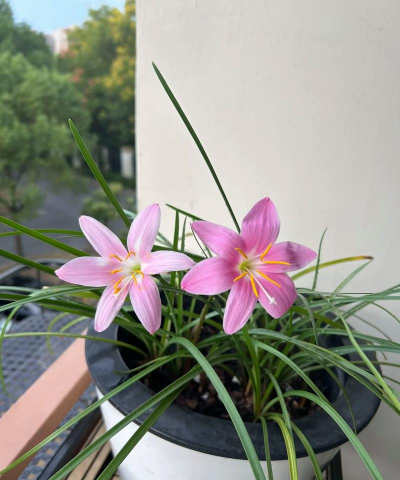
冬季怎么养蓬莱松合适吗
冬季是蓬莱松的休眠期,此时应适当减少浇水,保持土壤微湿即可。具体养护方法如下:蓬莱松适宜生长温度为 15°C 至 20°C,冬季应保持室内温度不低于 5°C,避免霜冻。冬季蓬莱松生长缓慢,需减少浇水频率,保持土壤微湿,避免积水。浇水宜在晴天
· 2025-11-12
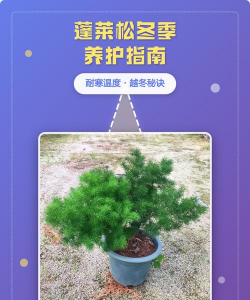
春天幸福树用什么肥料
春天是幸福树生长的关键时期,此时施肥应以促进新芽萌发、增强枝叶生长和提高抗逆性为主。以下是推荐的肥料类型和使用方法:推荐肥料:腐熟的堆肥、 compost、饼肥、鱼肥等。使用方法:将有机肥均匀撒在幸福树根部周围,覆土覆盖,避免直接接触根部。
· 2025-11-12
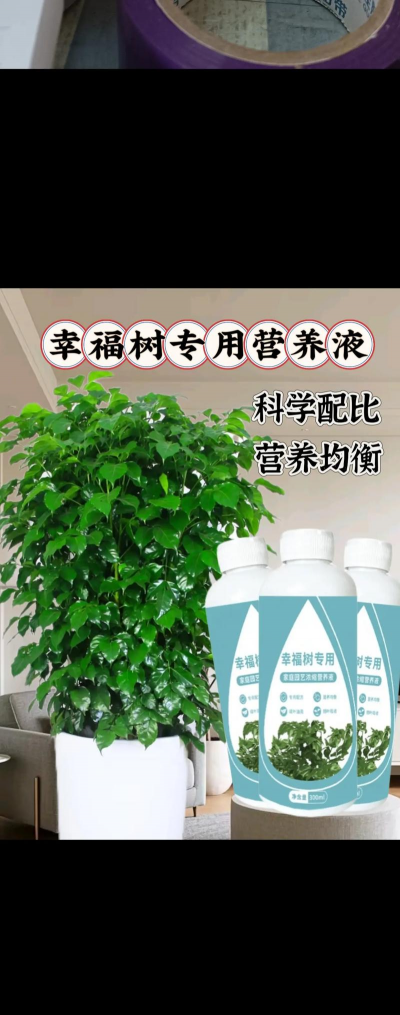
一串红花都有什么花
一串红(也叫喇叭花)是一种常见的观赏植物,属于旋花科,其花朵形态独特,通常为管状或喇叭状,颜色丰富,具有很高的观赏价值。以下是常见的几种一串红花的类型:红色一串红:花朵呈鲜红色,花管细长,花冠喇叭状,非常醒目,是常见的观赏品种。粉色一串红:
· 2025-11-12
若绿多肉植物怎么繁殖
绿多肉植物繁殖通常可以通过以下几种常见方法进行:方法:将健康的绿多肉植物从母株上分开,每株保留足够的根系和叶片。分株后,将新株移栽到新的盆土中,保持适当湿度和光照。适用场景:适合生长旺盛、根系发达的绿多肉植物,如 虹之玉、景天科植物 等。方
· 2025-11-12