英文讲解怎样养花
How to Care for Flowers
Caring for flowers requires attention to several key factors to ensure they thrive. Here's a breakdown of the essential aspects:
1. Light Requirements
Different flowers have different light needs:
- Full Sun: 6+ hours of direct sunlight per day (e.g., marigolds, sunflowers).
- Partial Sun: 2–6 hours of direct sunlight (e.g., tulips, daisies).
- Full Shade: 2–4 hours of indirect sunlight (e.g., ferns, peace lilies).
Tip: Place your flowers in a location that matches their light preference. Too much or too little light can lead to poor growth or yellowing leaves.
2. Watering
Watering is crucial for plant health:
- Soak and Drain: Water deeply but allow the soil to dry slightly between waterings.
- Frequency: Water when the top inch of soil is dry.
- Avoid Overwatering: Watering too much can cause root rot.
Tip: Use a watering can with a narrow spout to avoid wetting the leaves, which can lead to fungal diseases.
3. Soil and Fertilizer
- Soil Type: Use well-draining soil, such as a mix of garden soil, compost, and perlite or sand.
- Fertilizer: Feed your plants with a balanced fertilizer (e.g., 10-10-10) every 4–6 weeks during the growing season.
Tip: Use organic fertilizers like compost or fish emulsion to improve soil health and promote natural growth.
4. Temperature and Humidity
- Temperature: Most flowers prefer temperatures between 60–85°F (15–29°C).
- Humidity: Some flowers thrive in higher humidity (e.g., ferns, orchids), while others prefer drier conditions (e.g., cacti, succulents).
Tip: Mist leaves regularly for humidity-loving plants, but avoid over-misting.
5. Pruning and Maintenance
- Prune Regularly: Remove dead or yellowing leaves to encourage new growth.
- Pinch Back: For plants like roses or lavender, pinching back the tips can promote bushier growth.
- Deadheading: Remove spent flowers to encourage more blooms.
Tip: Use clean, sharp tools to prevent the spread of disease.
6. Pest and Disease Control
- Common Pests: Aphids, spider mites, whiteflies, and thrips.
- Common Diseases: Fungal infections, leaf blight, and root rot.
Tip: Check plants regularly for signs of pests or disease. Use neem oil or insecticidal soap for natural control.
7. Repotting
- When to Repot: Every 6–12 months, depending on the plant.
- How to Repot: Use a slightly larger pot with fresh soil. Ensure the new pot has drainage holes.
Tip: Avoid repotting during the plant's dormant period (e.g., winter).
8. Seasonal Care
- Spring: Water and fertilize to encourage growth.
- Summer: Water more frequently and provide shade if needed.
- Fall: Reduce watering and prepare for winter.
- Winter: Protect plants from cold and frost.
Other Tips
- Use a Plant Calendar: Track the growth cycle of your plants to know when to water, fertilize, or prune.
- Keep Records: Note any issues or changes in care to improve future plant care.
- Research Your Plants: Each plant has unique needs, so consult a guide or online resource for specific care instructions.
By following these guidelines, you can help your flowers grow healthy and vibrant. If you have a specific type of plant or need help with a particular issue, feel free to ask!

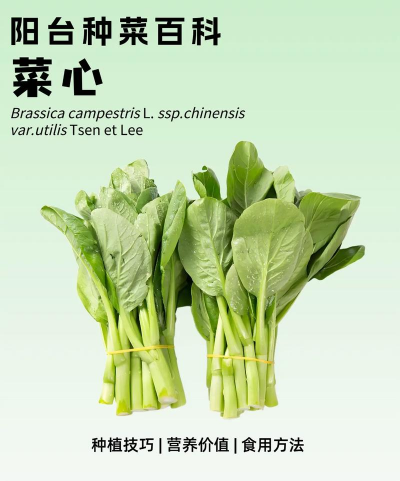
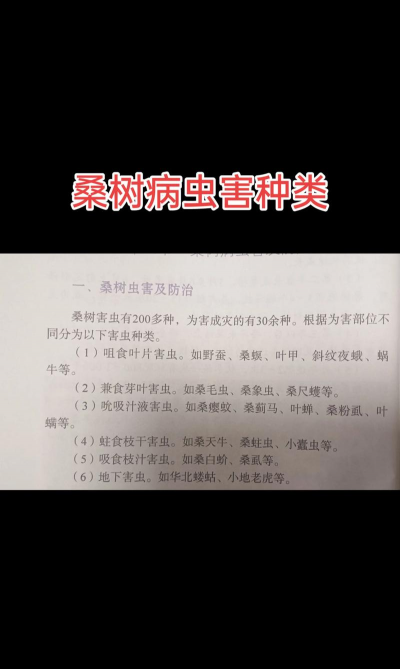
养花勤换搞笑
养花勤换,是许多花友的日常习惯,不过有时候“勤换”也容易变成“勤换”又“勤换”,让人忍俊不禁。以下是一些关于养花勤换的搞笑小知识和建议:换盆时间:一般在植物生长旺盛期进行,比如春季或秋季,避免在植物休眠期频繁换盆。换盆方法:轻轻抖掉旧土,检
· 2025-11-16
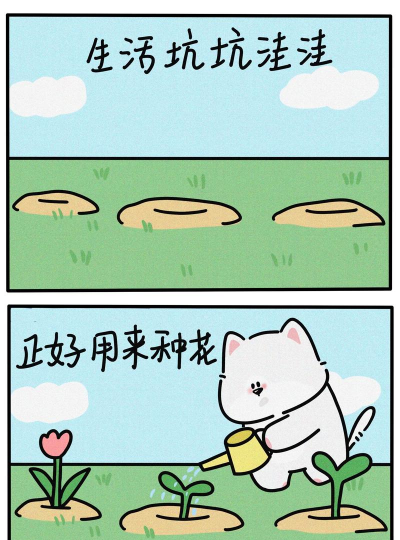
家有猫咪可以养花
养花对于猫咪来说是一个不错的选择,不仅能美化家居环境,还能提供一些心理慰藉。以下是关于猫咪养花的一些建议和注意事项:安全植物:猫咪对某些植物有天然的厌恶感,如百合、郁金香、仙人掌等,这些植物对猫咪有害。选择绿萝、吊兰、芦荟、常春藤等对猫咪相
· 2025-11-16
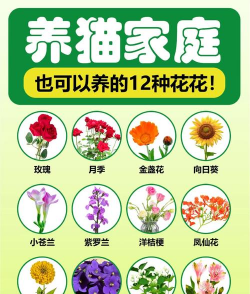
利用山里植物养花
在山里养花,可以利用当地特有的植物资源,结合其生长特点进行栽培。以下是一些常见山里植物的养花方法,以及一些注意事项:高山植物通常适应寒冷、干燥的环境,适合在冬季低温、光照不足的条件下种植。例如:高山杜鹃:耐寒性强,适合在山地种植,需充足光照
· 2025-11-16
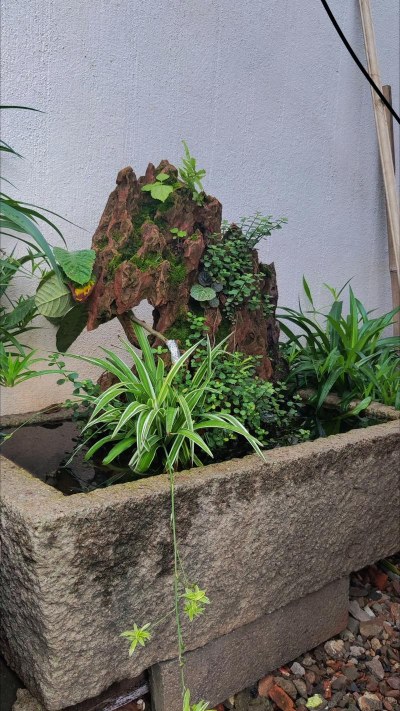
新种的铁树怎么养
铁树是一种常见的室内观赏植物,适合在室内养殖。以下是新种的铁树养护建议:推荐光照:铁树喜欢明亮的散射光,避免阳光直射。适宜环境:可放在南向或西向的窗边,确保每天有4-6小时的光照。避免过度阴暗:过阴暗会影响铁树生长,可能导致叶片发黄。浇水频
· 2025-11-16
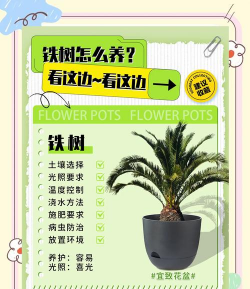
帮人养花工作
养花是一项既有趣又富有成就感的活动,尤其在工作之余,可以带来愉悦的心情和放松的体验。下面是一些常见的养花工作内容和建议,帮助你更好地管理花草:浇水 频率:根据植物种类和季节调整,一般每2-3天浇水一次,保持土壤湿润但不过湿。 方法:用喷
· 2025-11-16
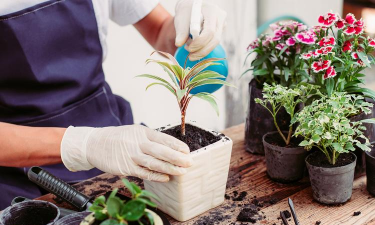
怎样养花才最好
养花需要根据不同的花卉种类和环境条件来调整养护方法。以下是一些通用的养花建议,适用于大多数花卉:喜阳植物:如太阳花、向日葵、玫瑰等,应放在阳光充足的地方,每天至少6小时以上的直射阳光。耐阴植物:如绿萝、吊兰、常春藤等,适合放在光线较弱的室内
· 2025-11-16
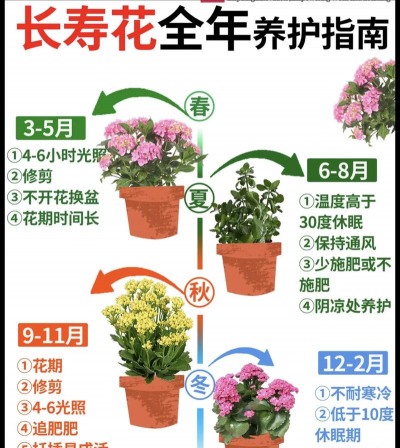
阳台养花用锡纸
在阳台养花时,使用锡纸(或金属箔)是一种常见的做法,主要用于遮光、防虫、保温等目的。以下是关于阳台养花用锡纸的详细说明:锡纸可以用于遮光,尤其适用于喜阴植物,如绿萝、常春藤、龟背竹等。通过遮光,可以控制植物的光照强度,避免过度曝晒,防止叶片
· 2025-11-16
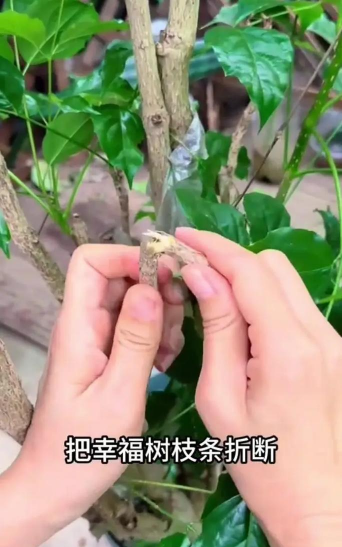
幸福树怎么泡根
幸福树(也称为幸福树或幸福树)是一种常见的室内观赏植物,适合放在室内光线充足的地方。关于“泡根”这一操作,通常是指将幸福树的根部浸泡在水中,以促进根系生长或处理根部问题。以下是常见的做法:促进根系生长:在植物移栽后,泡根可以促进新根的生长。
· 2025-11-16
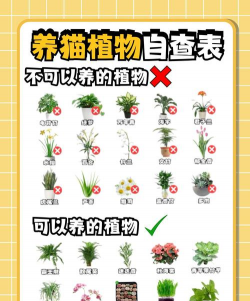
养猫就不配养花
养猫和养花并不是互斥的,但两者在养护和管理上需要不同的关注点。以下是一些关于养猫和养花的注意事项,帮助你更好地兼顾两者:猫的排泄物中含有较多的氮、磷等养分,如果直接用于植物,可能会导致土壤过量,影响植物生长。建议:使用猫砂:猫砂可以有效减少
· 2025-11-16
芍药叶片卷曲怎么回事
芍药叶片卷曲可能是由多种原因引起的,常见的原因包括:浇水过多:会导致根部缺氧,引起根系腐烂,进而影响植株吸收水分和养分,导致叶片卷曲。浇水过少:会导致植物缺水,叶片失水干枯,也可能出现卷曲现象。土壤中缺乏必要的养分(如氮、磷、钾),会导致植
· 2025-11-16