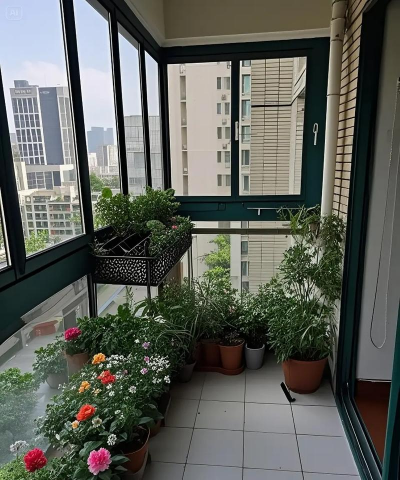
怎样养花英文介绍
How to Grow Flowers in English
Growing flowers can be a rewarding experience, but it requires some basic knowledge and care. Here's a simple English guide to help you get started:
1. Choose the Right Plant
- Select a Suitable Flower: Choose a flower that suits your climate and growing conditions. For example, roses thrive in warm, sunny environments, while tulips prefer cooler temperatures.
- Consider the Size and Space: Some flowers, like marigolds, can be planted in small containers, while others, like orchids, need special care and space.
2. Prepare the Soil
- Use Well-Draining Soil: Flowers need soil that drains well to prevent root rot. Avoid heavy clay or compacted soil.
- Add Organic Matter: Compost or well-rotted manure can improve soil structure and nutrient content.
3. Watering
- Water When the Soil is Dry: Check the soil moisture before watering. Water deeply but infrequently to encourage strong root growth.
- Avoid Overwatering: Watering too much can lead to root rot and yellowing leaves.
4. Sunlight and Temperature
- Provide Adequate Light: Most flowering plants need at least 6 hours of direct sunlight per day. Place them in a sunny window or garden.
- Maintain Optimal Temperature: Most flowers prefer temperatures between 15°C and 30°C (59°F to 86°F).
5. Fertilization
- Feed Regularly: Use a balanced, water-soluble fertilizer every 4–6 weeks during the growing season.
- Avoid Over-Fertilizing: Excessive fertilizer can burn the roots and harm the plant.
6. Pruning and Maintenance
- Prune Regularly: Remove dead or yellowing leaves and stems to promote healthy growth and prevent disease.
- Pinch Back New Growth: For plants like roses or lavender, pinching back can encourage bushier growth.
7. Pest and Disease Control
- Check for Pests: Common pests include aphids, spider mites, and whiteflies. Use insecticidal soap or neem oil to control them.
- Monitor for Diseases: Look for signs of fungal infections or leaf spots. Remove infected parts and improve air circulation.
8. Harvest and Enjoy
- Harvest Flowers When Ready: Some flowers, like chrysanthemums or daisies, are harvested for fresh use or for making arrangements.
- Store Flowers Properly: Fresh flowers can be stored in a cool, dry place or in a vase with clean water.
Additional Tips
- Use Pest-Repellent Plants: Some flowers, like basil or mint, can help repel pests naturally.
- Rotate Plants in the Garden: To prevent disease and ensure even growth, rotate your plants each season.
If you have specific questions about a particular flower or growing condition, feel free to ask!

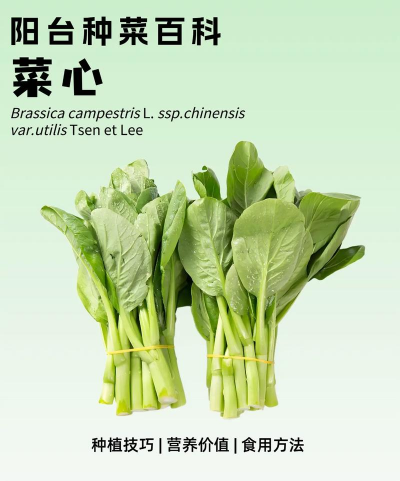
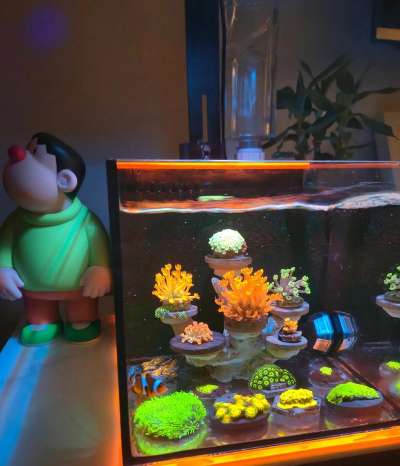
我在海里养花
在海里养花并不是一个常见或推荐的做法,因为海水的化学成分、盐度、温度、酸碱度等环境条件与陆地植物的生长需求存在较大差异。如果在海里养花,可能会导致植物无法正常生长甚至死亡。以下是一些农业相关建议,供你参考:选择适合海水环境的植物:如果你确实
· 2025-11-22
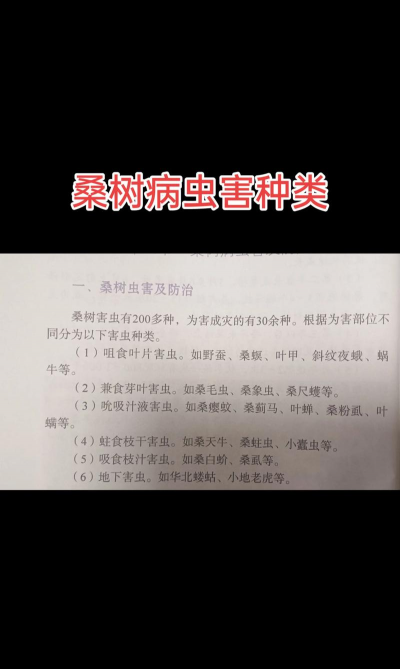
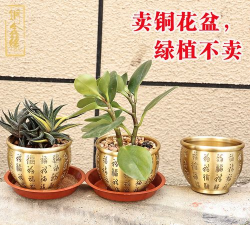
黄铜花盆养花好吗
黄铜花盆在养花中是可以使用的,但需要注意一些使用上的限制和注意事项。以下是关于黄铜花盆养花的详细说明:黄铜花盆通常由铜制成,具有一定的导热性和透气性,适合种植一些对温度和排水要求较高的植物。但需要注意以下几点:导热性:铜的导热性较强,可能会
· 2025-11-22
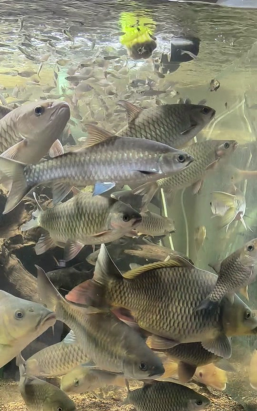
生态鱼缸养花鲢鱼
在生态鱼缸中养花鲢鱼,需要综合考虑水质管理、植物选择、鱼种适应性以及生态系统的平衡。以下是具体建议:花鲢鱼(又称“花鲫”)是一种观赏性较强的鱼类,适应力较强,适合在生态鱼缸中饲养。但需注意以下几点:水质要求:花鲢鱼对水质要求较高,建议选择水
· 2025-11-22
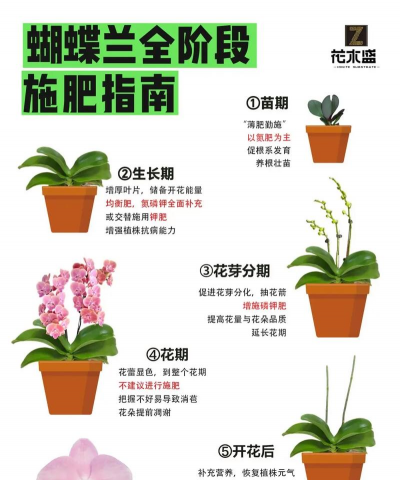
欧洲养花施肥比例
在欧洲,养花施肥的比例通常根据植物种类、生长阶段和土壤状况有所不同。以下是一些常见的施肥比例和方法,适用于大多数花卉和植物:有机肥:通常为 10-20克,适用于盆栽植物或土壤改良。无机肥:通常为 20-30克,适用于快速生长期或盆栽植物。基
· 2025-11-22
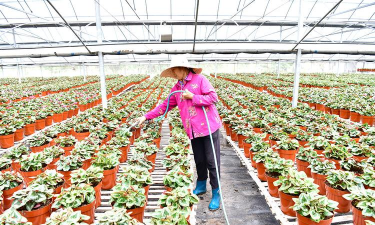
农村平台养花技术
在农村地区进行养花,可以结合当地的气候条件和土壤状况,采取科学的种植方式。以下是几种常见的农村养花技术:根据气候选择花卉:如北方多雨地区适合种植耐湿的花卉,如郁金香、风信子;南方多旱地区适合种植耐旱的花卉,如向日葵、菊花。根据土壤类型选择花
· 2025-11-22
养花最怕泥土吗
养花最怕的并不是泥土本身,而是泥土的透气性差、排水不良、营养不足或土壤结构不适宜。以下是一些常见的问题及应对方法:原因:黏重的泥土(如黏土)排水性差,容易导致根部积水,引发烂根。解决方法:使用疏松、排水良好的土壤,如腐叶土、泥炭土、珍珠岩、
· 2025-11-22
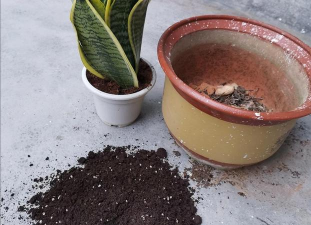
陶粒养花的特点
陶粒养花的特点陶粒是一种由陶土制成的多孔材料,常用于园艺种植中,具有以下特点:良好的排水性陶粒具有多孔结构,能够有效促进水分渗透,避免根部积水,减少烂根风险。良好的通气性陶粒孔隙率高,有助于空气流通,有利于根系呼吸,提高植株生长活力。保水保
· 2025-11-22
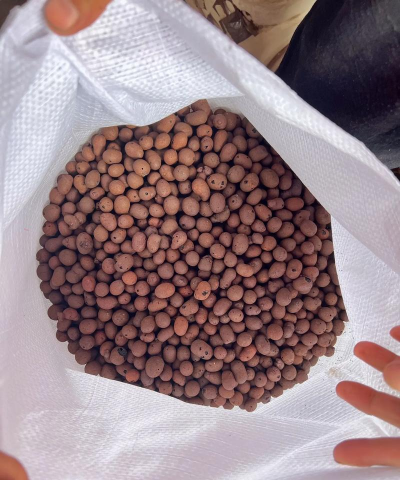
自制养花养料配方
1. 堆肥法堆肥是制作养分丰富、有机质高的养料最自然的方式。以下是几种常见的堆肥配方:厨余堆肥:将果皮、菜叶、咖啡渣、茶叶等厨余垃圾混合作为堆肥材料,定期翻堆,保持湿润和通气。混合堆肥:将厨余垃圾与干枯的草、枯叶、木屑等混合,比例约为3:1
· 2025-11-22
养花很细的黑土
养花时遇到黑土过细的情况,通常会影响植物的根系发育和土壤的结构。以下是针对黑土过细的解决方法:添加有机质:如腐叶土、堆肥、草木灰等,可以改善土壤的结构,增加保水保肥能力。使用土壤改良剂:如泥炭土、珍珠岩、蛭石等,有助于提高土壤的物理结构。避
· 2025-11-22
露台养花隔热好吗
露台养花时,隔热效果取决于具体环境和植物种类。以下是关于露台养花隔热的建议:耐阴植物:如绿萝、常春藤、龟背竹等,对光照要求低,适合在遮阴处种植。耐旱植物:如多肉、仙人掌等,对光照和水分要求较高,需确保有充足阳光。遮阳网:在露台安装遮阳网,可
· 2025-11-22